Case studyIndustrial site
Alucasting
Recycled scrap in, certified alloy out — a factory site that shows the process.
An industrial site for Georgia's first aluminium alloy production facility.
Visit alucasting.ge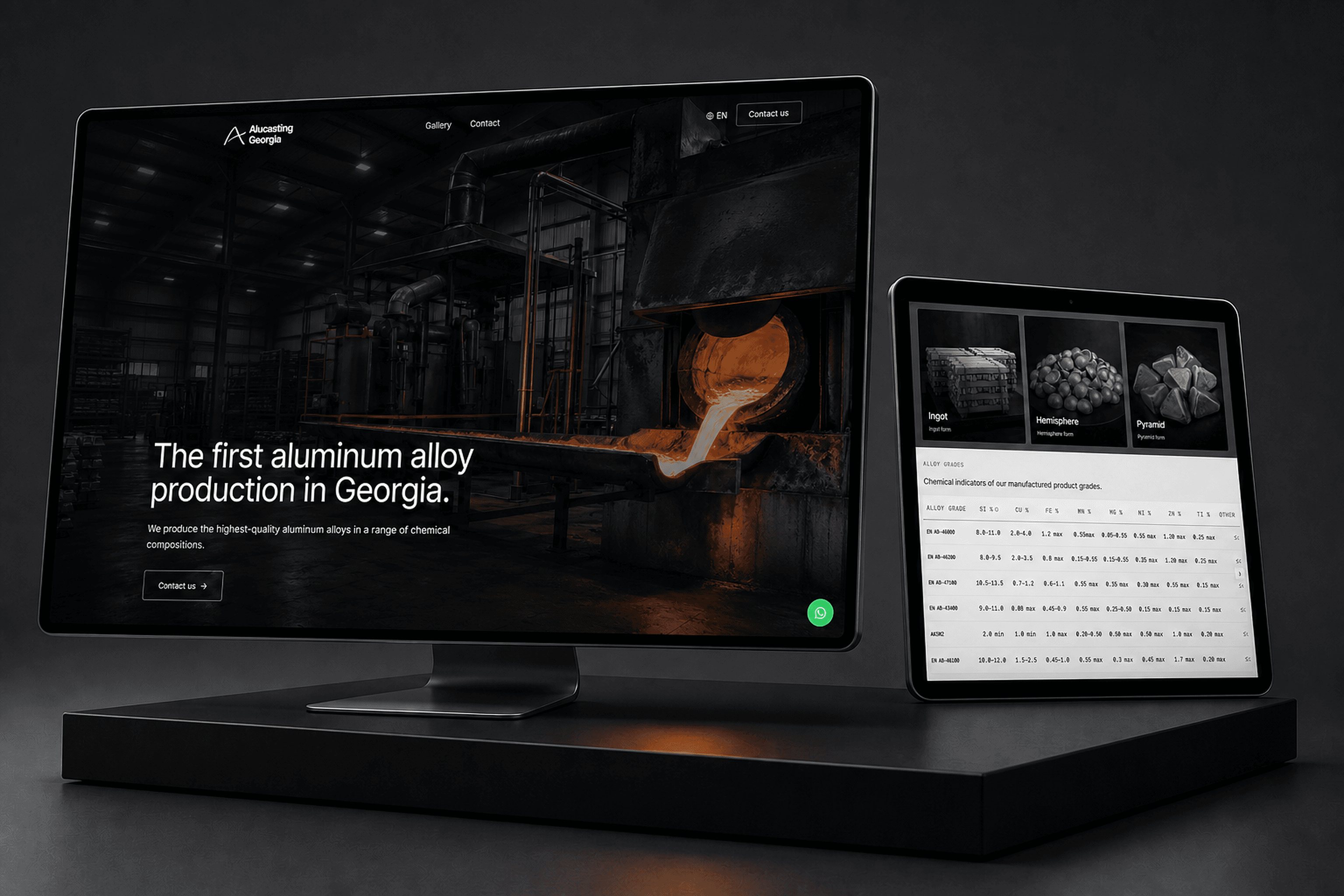
The work, the thinking and the value behind it.
Alucasting needed an industrial website that could answer commercial questions with the same clarity as a technical product sheet while still giving visitors a tangible sense of the facility behind the material.
The finished experience combines product specifications, process explanation, original factory imagery and a dedicated supplier route in a multilingual structure designed for both local scrap suppliers and international alloy buyers.
Industrial buyers, international partners and scrap suppliers
Industrial site
- Information architecture
- Product specifications
- Multilingual experience
- Photography-led storytelling
The client
Alucasting operates Georgia's first aluminium alloy production facility, processing recycled aluminium scrap into cast product and supplying industrial customers across several countries.
Its website has to serve two very different journeys: buyers verifying whether the plant can supply the right material, and local suppliers deciding how to deliver recyclable non-ferrous metal into the facility.
Information buyers can verify
A site organised around the four things a buyer actually needs to establish: where the material reaches, what forms and grades are available, how the alloy is made and verified, and how to sell scrap into the plant.
Product is shown as it ships — ingot, hemisphere and pyramid — against six registered grades, with the sorting, melting, spectral analysis and casting stages carried as photography rather than described in prose.
Technical composition data sits alongside the product forms rather than behind a generic contact gate, allowing a qualified visitor to establish fit before starting a conversation.
A factory made visible
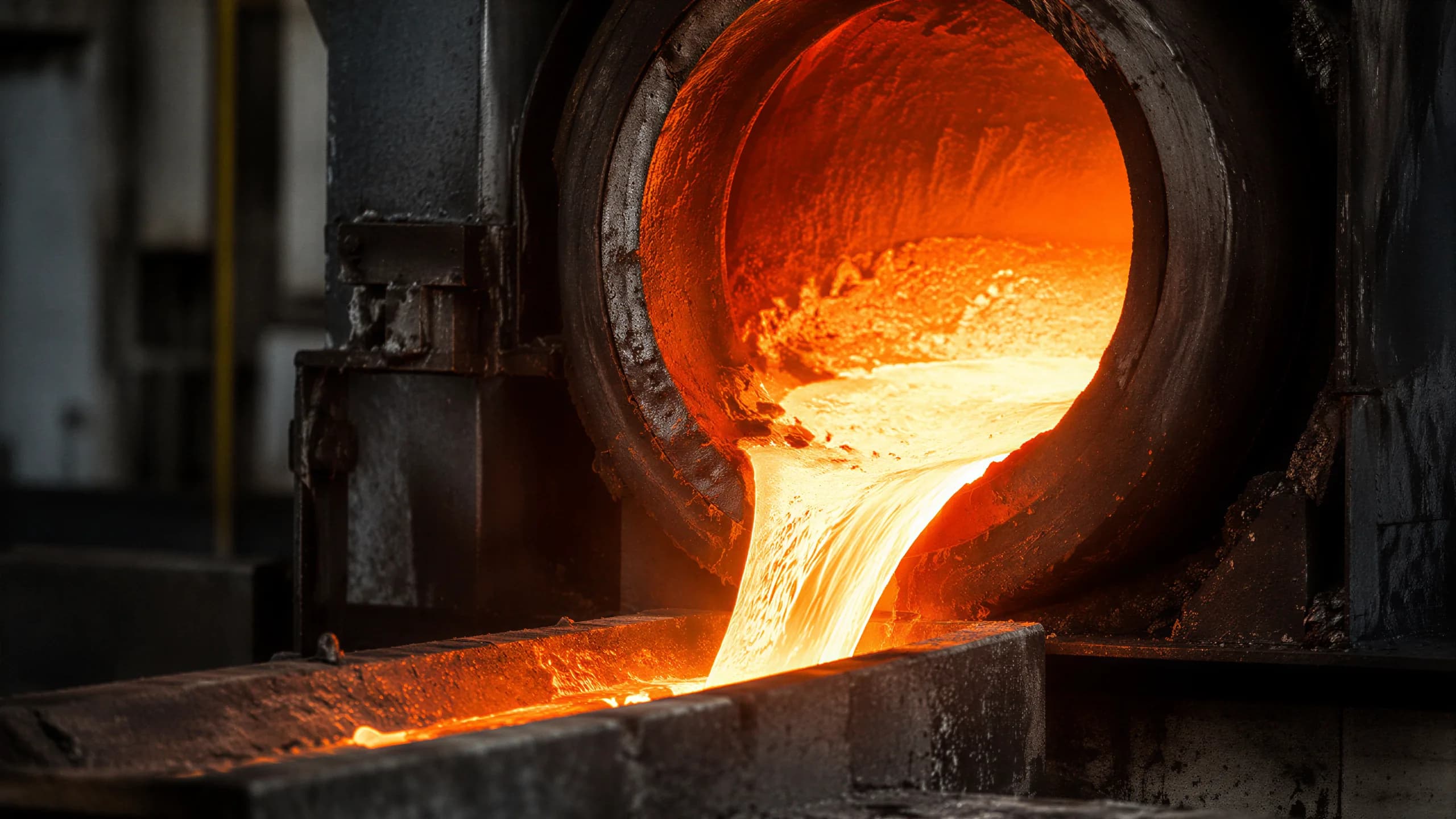
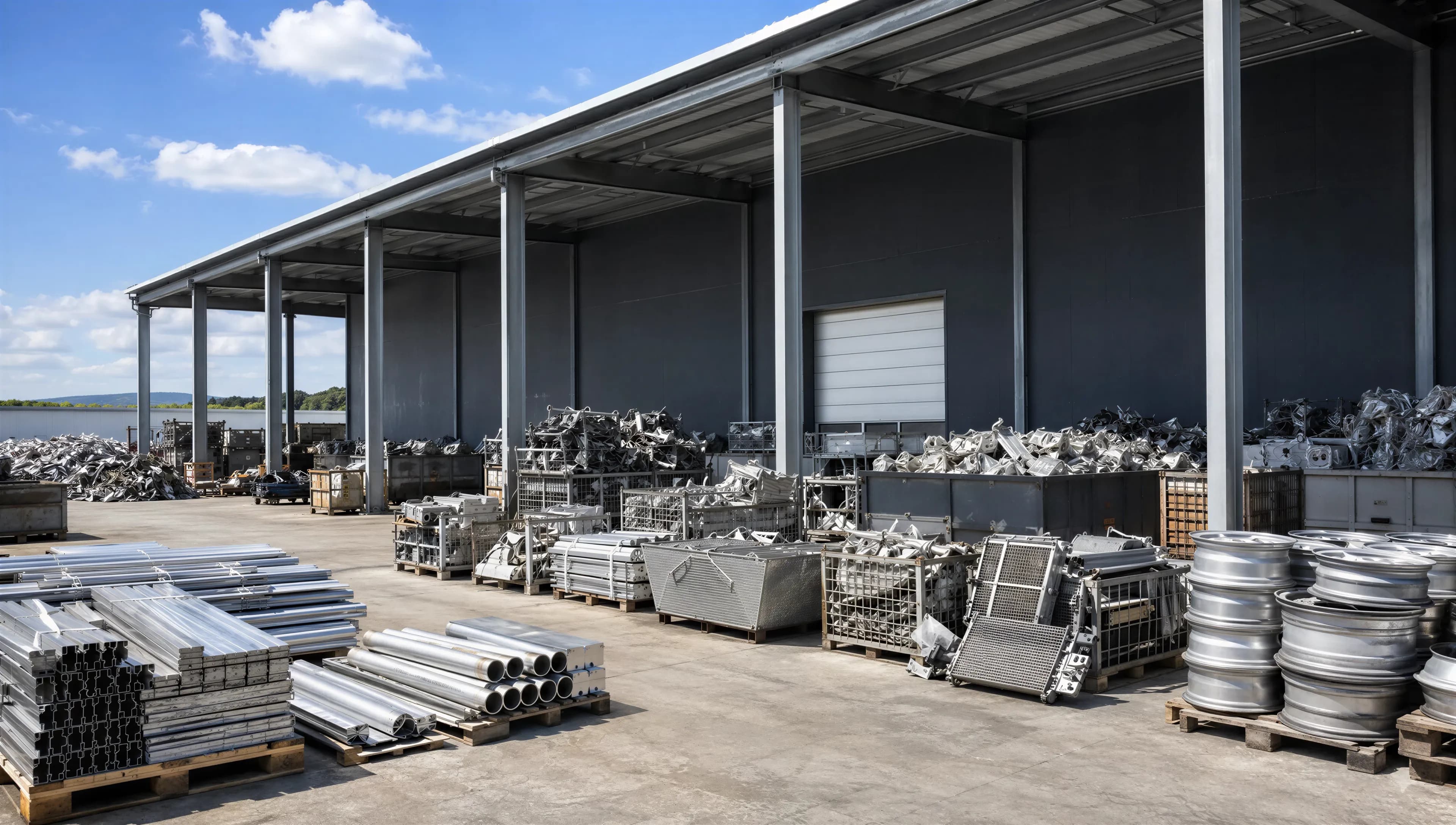
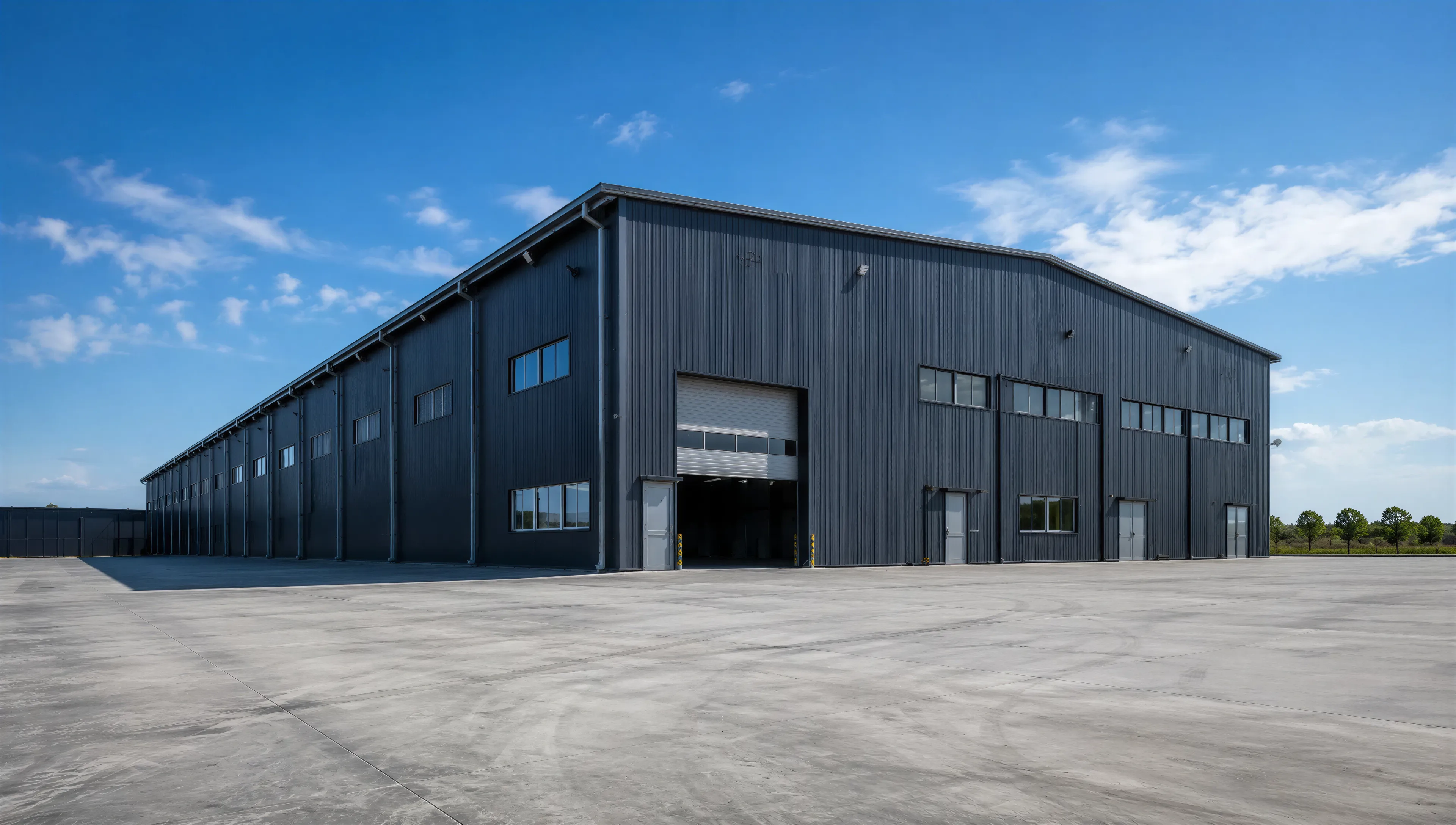
The visual system uses the plant, material and production sequence as its primary evidence. Wide photography establishes scale; closer process images explain how scrap becomes a finished alloy; restrained typography keeps specifications readable.
Georgian, English and Russian routes support the company's local foundation and international reach, while a separate scrap-supply path prevents the buyer journey from competing with supplier information.
What the work puts in place.
What changed
- Alloy grades and forms legible to industrial buyers
- The production process shown stage by stage
- A scrap-supply route with its own entry point
- Built for a Georgian-language audience with international reach
Project surface
- Information architecture
- Product specifications
- Multilingual experience
- Photography-led storytelling
Built with
- Next.js
- React
- TypeScript
Something here look like the problem you have?
Start a project